




Introduction
Some endings stay with us because they feel inevitable, earned, and emotionally true. Others linger because of what they fail to deliver. In 2025, several of Netflix’s biggest cultural giants reached the end of their journeys. You, Squid Game, and Stranger Things each closed their narratives with the weight of enormous expectations behind them. While none of these finales were without ambition, the collective reaction from audiences was a lingering sense of emptiness, as though the emotional crescendo arrived muted rather than triumphant.

Why Expectations Were So High
These shows were not merely popular; they were phenomena. They fueled conversation, memes, theories, and midnight binge sessions. Their finales carried the burden of closure for millions of viewers who had invested years into characters and worlds. The result was a powerful illustration of a timeless storytelling truth: the ending reframes everything that came before it.

- They shaped streaming-era viewing habits.
- They generated intense fan speculation about final twists and resolutions.
- They promised big answers to long-posed questions.
You: The Psychology Without the Catharsis
You built its identity on a seductive voiceover, dark humor, and a chilling examination of obsession. As the show reached its final chapter, it pursued bigger ideas about identity and morality. Yet when the dust settled, many viewers felt that the finale retreated into familiar patterns instead of confronting the full consequences of its protagonist’s actions. The series maintained its stylistic edge, but the emotional reckoning felt deferred.

Strengths
- Consistently sharp performances anchored the story.
- The visual tone remained stylish and confident.
- The narrative ambition never wavered.
Where It Fell Short
- Character arcs seemed to circle rather than conclude.
- The promised psychological payoff felt incomplete.
- The finale raised questions it did not fully resolve.
Squid Game: High Stakes, Low Emotional Resolution
Squid Game captured a global audience with its ruthless simplicity and moral complexity. Its final season continued to explore themes of inequality, exploitation, and human desperation. However, the finale struggled beneath the weight of its own symbolism. Instead of delivering a clear emotional endpoint, it leaned heavily into ambiguity. Ambiguity can be powerful, but here it felt like hesitancy, leaving viewers suspended between interpretation and closure.
What Worked
- Bold social commentary remained at the forefront.
- Production design and tension were impeccably sustained.
- The show continued to provoke reflection about power and systems.
What Disappointed
- Catharsis was sacrificed to maintain an open-ended tone.
- Some emotional arcs stopped just short of resolution.
- The final choices seemed more thematic than character-driven.
Stranger Things: Nostalgia Without the Final Spark
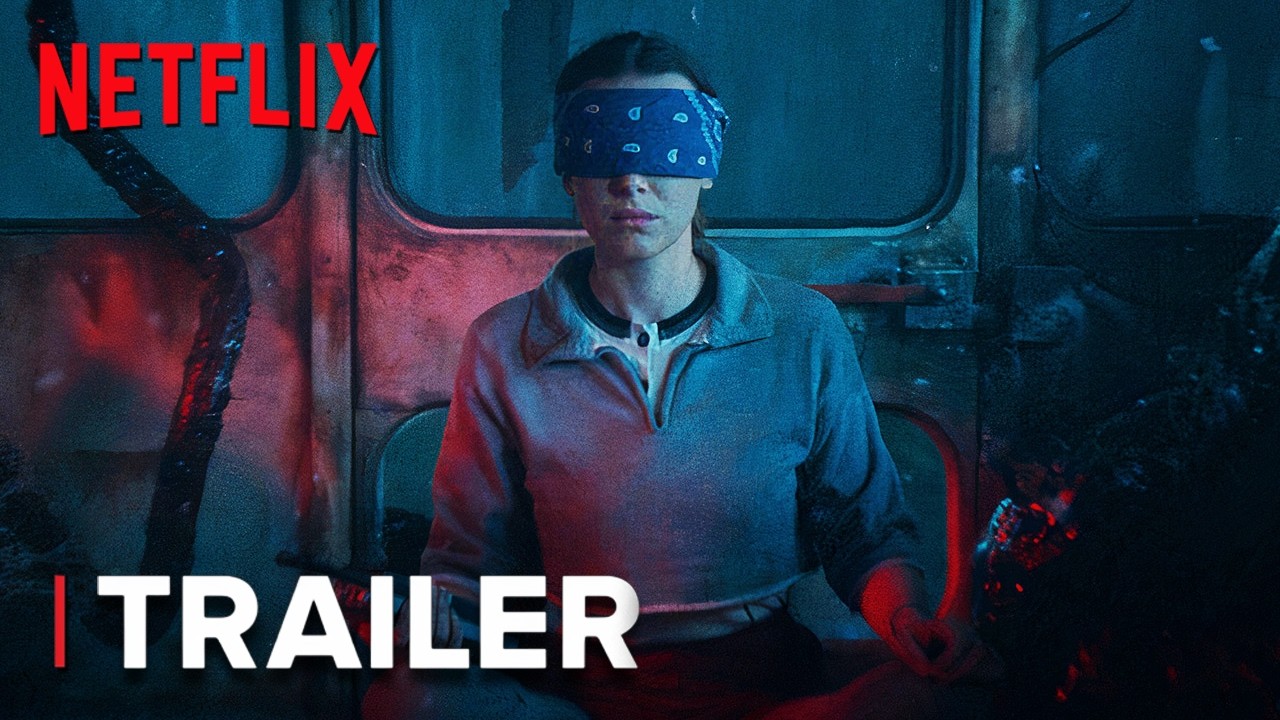
Stranger Things was always as much about growing up as about monsters. Its last season brought familiar faces back to familiar places, merging nostalgia with spectacle. Yet in the finale, emotional reunions and grand set pieces occasionally overshadowed the smaller, human moments that once defined the series. It delivered scale, but the sense of wonder and aching sincerity that marked its early seasons felt diluted.
Highlights
- Expansive world-building reached an impressive scope.
- Beloved characters remained the emotional anchors.
- The visual effects and sound design delivered cinematic thrills.
Missed Opportunities
- Some subplots lingered without satisfying resolution.
- Nostalgia sometimes replaced genuine discovery.
- The emotional climax lacked the final spark promised for years.
The Common Thread: The Challenge of Saying Goodbye
Across these finales lies a unifying challenge: endings demand decisiveness. They ask creators to commit to emotional consequences, not just narrative conclusions. In each of these series, the storytelling remained ambitious, visually assured, and thematically rich. Yet when it mattered most, the final chords sounded slightly out of tune, leaving audiences with admiration tinged by dissatisfaction.
Final Verdict
None of these shows failed. Each offered memorable characters, indelible images, and moments that will continue to shape streaming culture. But their finales illustrate how difficult it is to conclude stories that have lived so vividly in the imaginations of viewers. The disappointment many felt was not simply about plot decisions; it was about saying goodbye without feeling fully heard or fully healed.
In the end, the legacy of You, Squid Game, and Stranger Things is secure. Yet their final episodes remind us that in storytelling, the last impression often matters most. Sometimes, the loudest silence is not what characters say, but what their endings leave unsaid.