

A Return to a World That Refuses to Rest
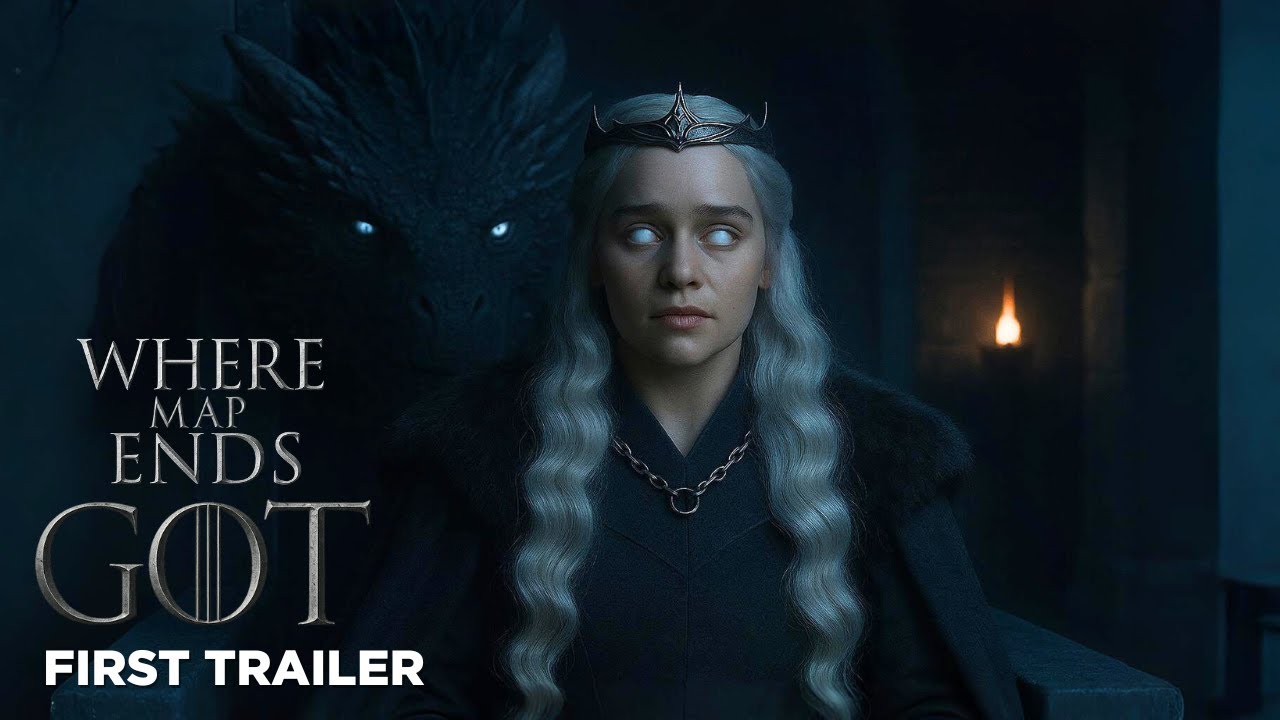
Some stories end, and some simply pause to catch their breath. The official trailer for Game of Thrones (2026) suggests that Westeros belongs firmly in the latter category. Years after the original series concluded amid fire, ice, and fierce debate, this new chapter arrives not as a nostalgic victory lap but as a deliberate attempt to reckon with what comes after survival. The war for the Iron Throne may have changed shape, but the hunger for power, identity, and meaning remains as sharp as Valyrian steel.

Jon Snow, Older and Wiser, Yet No Safer
Kit Harington’s return as Jon Snow anchors the trailer with a quiet gravity. This is not the wide-eyed bastard of Winterfell or the reluctant Lord Commander we once knew. The Jon Snow presented here carries the weight of history on his shoulders, and the trailer wisely allows silence and restraint to do much of the talking. His struggle is no longer about proving himself worthy of leadership, but about whether leadership itself is worth the cost it inevitably demands.

What works best is the suggestion that Jon’s greatest enemy may not be an army or a monster, but exhaustion of the soul. Westeros has been saved before, yet peace remains elusive. The trailer frames Jon as a man standing in the aftermath of victory, surrounded by kingdoms still hungry for conflict.

Familiar Faces, Shifting Power
The return of Emilia Clarke, Peter Dinklage, and Lena Headey is handled with restraint rather than spectacle. Their appearances feel purposeful, not ornamental, hinting at unresolved tensions rather than offering easy fan service. Tyrion’s weary intelligence, Cersei’s chilling legacy, and Daenerys’ shadow over the realm suggest that history in Westeros never truly stays buried.
New characters are introduced only in fragments, but those fragments matter. Armored silhouettes, tense council chambers, and fleeting looks of distrust signal rival factions rising from the cracks left by previous wars.
The Tone: Darker, Quieter, More Reflective
If the original Game of Thrones often reveled in shocking turns, this trailer appears more interested in dread than surprise. The violence, while present, is implied rather than flaunted. The emphasis is on consequence. Every sword drawn feels like a failure of diplomacy, every alliance a fragile compromise waiting to collapse.
Visually, the series returns to its signature cold beauty. Snow-covered battlements, candlelit halls, and windswept plains remind us that Westeros itself is a character, one shaped by memory and scar tissue.
Leadership, Loyalty, and the Cost of Survival
At its core, the trailer promises a story about rebuilding in a world addicted to destruction. Jon Snow’s challenge is not defeating a single enemy, but uniting people who no longer believe unity is possible. The familiar moral grayness returns, blurring the lines between hero and villain until intentions matter more than titles.
- The burden of leadership after victory
- The fragility of alliances built on fear
- The lingering trauma of endless war
These themes echo the best moments of the original series, when conversations could be as devastating as battles.
The Craft of the Trailer Itself
As a piece of filmmaking, the trailer is confident and controlled. The editing favors atmosphere over exposition, trusting longtime viewers to read between the lines. The score builds slowly, resisting the urge for bombast, and the final moments land not with a roar, but with a question mark.
It is a smart choice. This story does not need to shout to command attention. Its power lies in implication.
Reasons for Cautious Optimism
There is, of course, an unavoidable shadow hanging over any return to Game of Thrones. Expectations are high, skepticism higher. The trailer does not promise easy redemption, and that may be its greatest strength. It suggests creators who understand that the audience is not looking for repetition, but for reflection.
If the series can maintain this measured tone, allowing character and consequence to guide the narrative, it may yet justify reopening a story many thought was finished.
Final Thoughts
The Game of Thrones (2026) official trailer does not ask us to relive the past. It asks us to confront what comes after legends fade and scars remain. Jon Snow’s return feels less like a triumphant comeback and more like an unfinished sentence finally reaching its end.
Winter may no longer be coming, but its shadow still lingers. And in Westeros, that is often where the most interesting stories begin.