



Silent Hill (2026) Movie Review
When it comes to the psychological horror genre, Silent Hill (2026) arrives as a chilling reminder of the uneasy relationship between the mind and reality. Helmed by a director known for his ability to manipulate atmosphere, this film seeks to push the boundaries of what we know about fear and the supernatural. The town of Silent Hill, a place as much of legend as it is of reality, has a history steeped in tragedy, and the latest chapter in its twisted tale is no exception.

Plot and Themes
The premise of Silent Hill (2026) is deceptively simple yet infinitely unsettling. As a siren echoes through the fog-laden streets of the titular town, memories resurface, and a girl named Claire, portrayed by Jenna Ortega, claims to have been there before. She uncovers cryptic symbols beneath the streets—symbols tied to an incomplete ritual that seeks closure. This isn’t merely a haunted town; it’s a place that feeds off the trauma of its past, demanding sacrifice as its form of resolution.

The connection between the original tragedy and the supernatural occurrences that follow is revealed slowly, allowing the tension to build. Unlike many horror films that rely on jump scares, Silent Hill (2026) excels in creating a pervasive sense of dread, a weight that lingers on the viewer long after the credits roll. It’s a film that asks you to examine not just the horrors of the external world but the darkness within.

The Performances
Tom Holland, who plays the protagonist, Daniel, delivers a performance that is simultaneously grounded and fraught with emotion. His struggle to reconcile with the town’s terrifying grip is believable, giving depth to his character. Holland’s ability to convey fear and confusion in a way that feels authentic to the experience is crucial to the film’s success.
However, it is Jenna Ortega who steals the show. As Claire, she embodies the dissonance of someone caught between the past and the present. Her interactions with the town’s symbols, along with her cryptic knowledge of its history, provide the audience with a sense of mystery and dread. Ortega’s portrayal of Claire is a haunting reminder of the psychological toll trauma can take on the human mind.
Cinematic Excellence
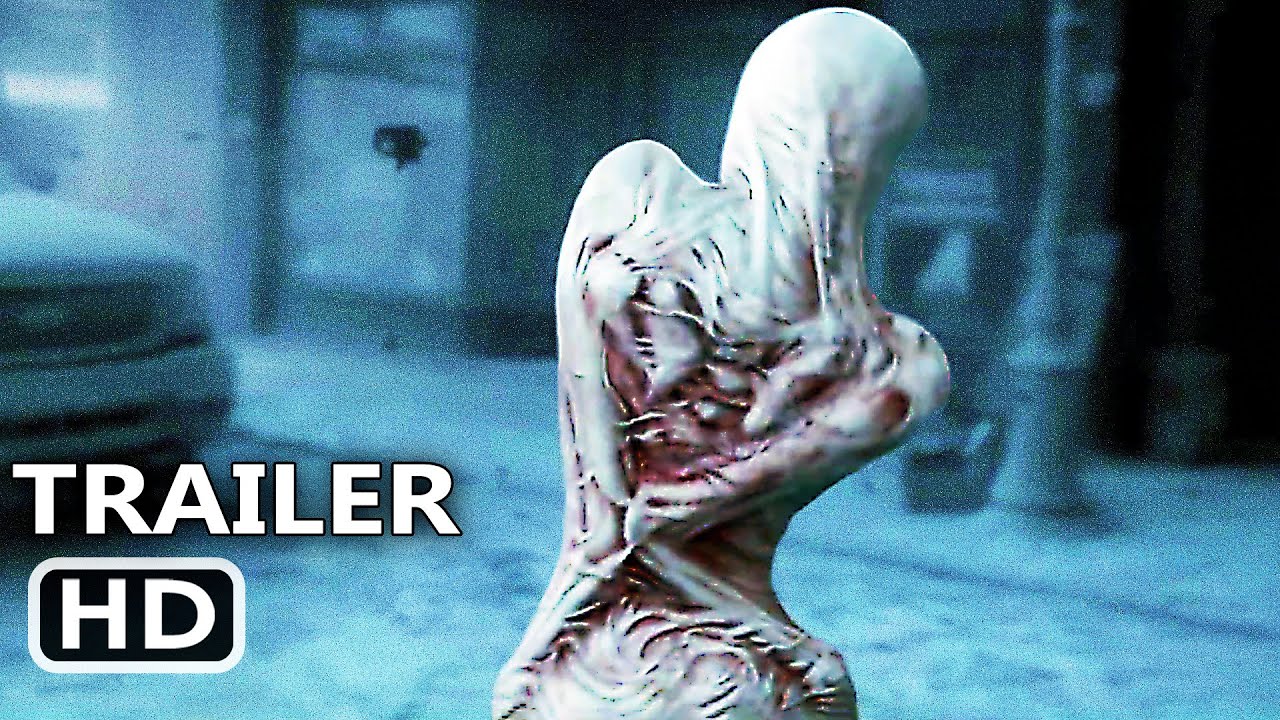
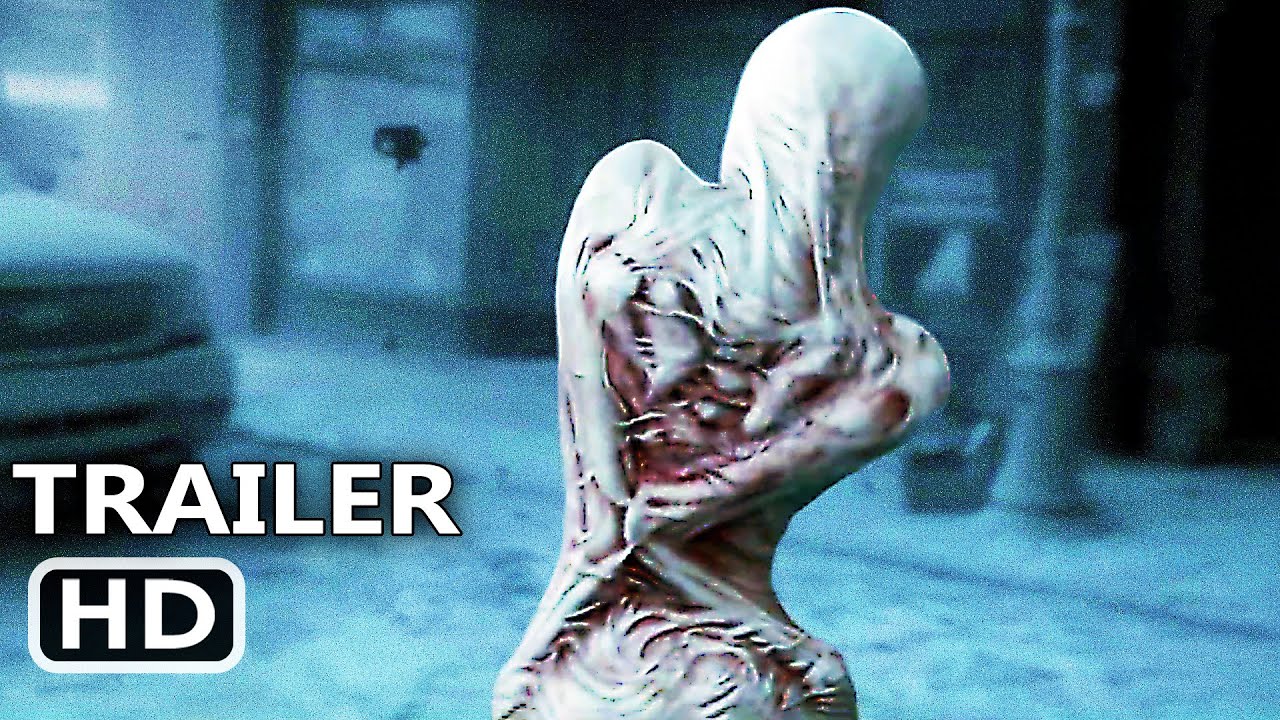
The cinematography in Silent Hill (2026) is nothing short of breathtaking. The muted color palette, combined with fog-drenched streets and desolate environments, captures the essence of isolation. The fog itself becomes a character, shrouding the truth and creating an environment where every corner could hold a new nightmare. The special effects, while subtle, are highly effective in enhancing the film’s eerie atmosphere without overshadowing the storytelling.
Sound and Music
The sound design is perhaps one of the most effective tools in building tension in Silent Hill (2026). The siren’s wail, an iconic sound from the franchise, serves as an auditory cue that something is terribly wrong. It signals not just an impending danger, but an emotional reckoning. The music, composed by an artist known for his haunting scores, further amplifies the sense of dread, with melodies that echo long after the film ends.
Conclusion
Silent Hill (2026) is a psychological journey into darkness, a film that explores the intersections between memory, guilt, and supernatural terror. It doesn’t rely on gore or quick scares to deliver its horror; instead, it lingers in the mind, forcing you to confront the unsettling and often terrifying aspects of the human psyche. For fans of the franchise and newcomers alike, Silent Hill (2026) is a hauntingly beautiful film that demands to be experienced.