

An Old Hero Faces a New Darkness
There are characters who exit our cultural imagination quietly, and then there are those who linger like frost on stone. Jon Snow belongs firmly to the latter. Jon Snow and the Son of the Night King invites us back into a world we thought had made its uneasy peace with the long night, only to discover that evil, like history, rarely ends cleanly. It evolves.

This 2026 continuation does not attempt to recreate the thunder of earlier wars. Instead, it leans into something more intimate and, at times, more unsettling: the idea that survival leaves scars, and that legacy can be as dangerous as any army of the dead.

Story Overview (Spoiler-Light)
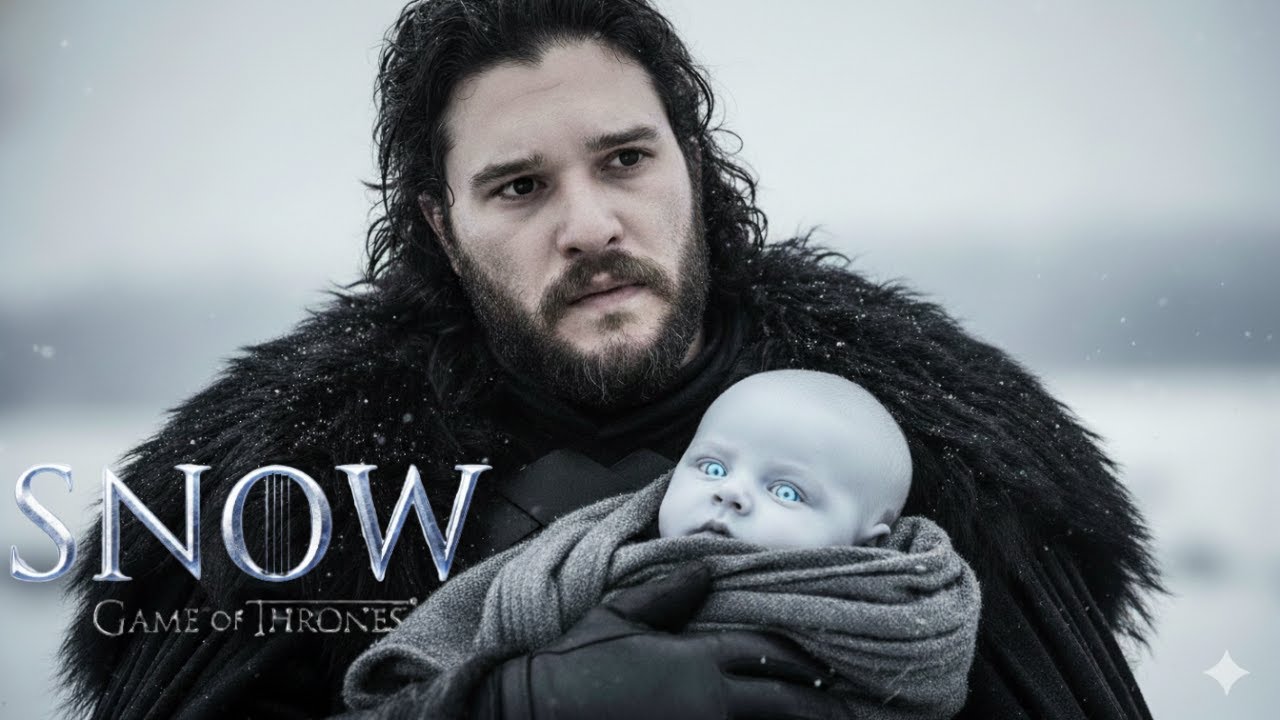
The film opens in the aftermath of supposed victory. The Night King is gone, but his shadow stretches far beyond his fall. A new threat emerges in the form of his son, a being caught between man and monster, driven by vengeance rather than conquest alone.

Jon Snow, once again drawn into the heart of the storm, must navigate fragile alliances and revelations that challenge his understanding of family, duty, and identity. The story wisely keeps its focus narrow, framing the fate of the world through the personal cost paid by those who have already given too much.
Kit Harington’s Return as Jon Snow
Kit Harington steps back into the role with a quieter confidence. This is not the Jon Snow of youthful uncertainty, nor the hardened commander shouting orders before battle. This Jon is older, burdened, and visibly tired of being a symbol.
Harington’s performance works best in stillness. A glance held too long, a pause before drawing a sword, a moment of doubt flickering across his face. These choices give the character weight, suggesting a man who understands that every victory demands a price.
The Son of the Night King: A Villain with Purpose
The film’s greatest risk is also one of its strengths. Creating a successor to an iconic villain invites comparison, and the Son of the Night King avoids imitation by embracing contradiction. He is not an elemental force; he is rage given form.
Part man and part myth, the character is driven less by domination than by inheritance. His existence raises uncomfortable questions about whether evil is born, taught, or forged through loss. The film allows these questions to linger rather than offering easy answers.
Direction, Atmosphere, and World-Building
The direction favors mood over spectacle, even when armies clash. Snow falls thicker, nights feel longer, and silence is used as a weapon. Winterfell, once familiar, now feels haunted by memory.
The pacing is deliberate, occasionally slow, but rarely indulgent. The filmmakers trust the audience to sit with tension rather than rush toward release. This restraint gives the story room to breathe and, more importantly, to ache.
Action, Battles, and Visual Design
When the film does unleash its battles, they are brutal and purposeful. These are not displays of choreography for its own sake. Each clash feels desperate, chaotic, and costly.
- Combat scenes emphasize confusion and fear rather than clean heroics.
- The use of ice, shadow, and fire reinforces the film’s central themes.
- Creature design balances fantasy with a grim, grounded texture.
The visual effects serve the story rather than overwhelm it, a welcome choice in a genre often tempted by excess.
Music and Emotional Undercurrents
The score leans heavily on low strings and mournful motifs, echoing the idea that every triumph is temporary. Music swells not to announce victory, but to underline sacrifice.
Several key scenes allow the sound to fall away entirely, reminding us that silence can be just as powerful as a roar of dragons or the clash of steel.
What Works and What Falters
- Works: Character-driven storytelling, restrained performances, and a villain motivated by legacy rather than spectacle.
- Falters: Some secondary characters feel underdeveloped, and the slower pace may test viewers expecting constant action.
Final Verdict
Jon Snow and the Son of the Night King understands that the true cost of war is not counted in bodies, but in what remains afterward. It is a film about inheritance, responsibility, and the exhausting burden of being the one who must stand when everyone else wants to rest.
Winter may be here again, but this time it is not just the world at stake. It is the soul of a man who has already given everything once before. The film does not promise comfort, only meaning, and that may be its greatest strength.