





Introduction
In the realm of epic war films, Red Cliff (2025) stands as a monumental achievement, masterfully blending grand-scale warfare with deeply human emotions. Directed by John Woo, this is the first part of a two-part series that takes us through one of the most pivotal battles in Chinese history during the Three Kingdoms era. The film doesn’t merely recount history but immerses the audience into a turbulent world where honor, loyalty, and betrayal play out against the backdrop of a raging war.
Plot Overview
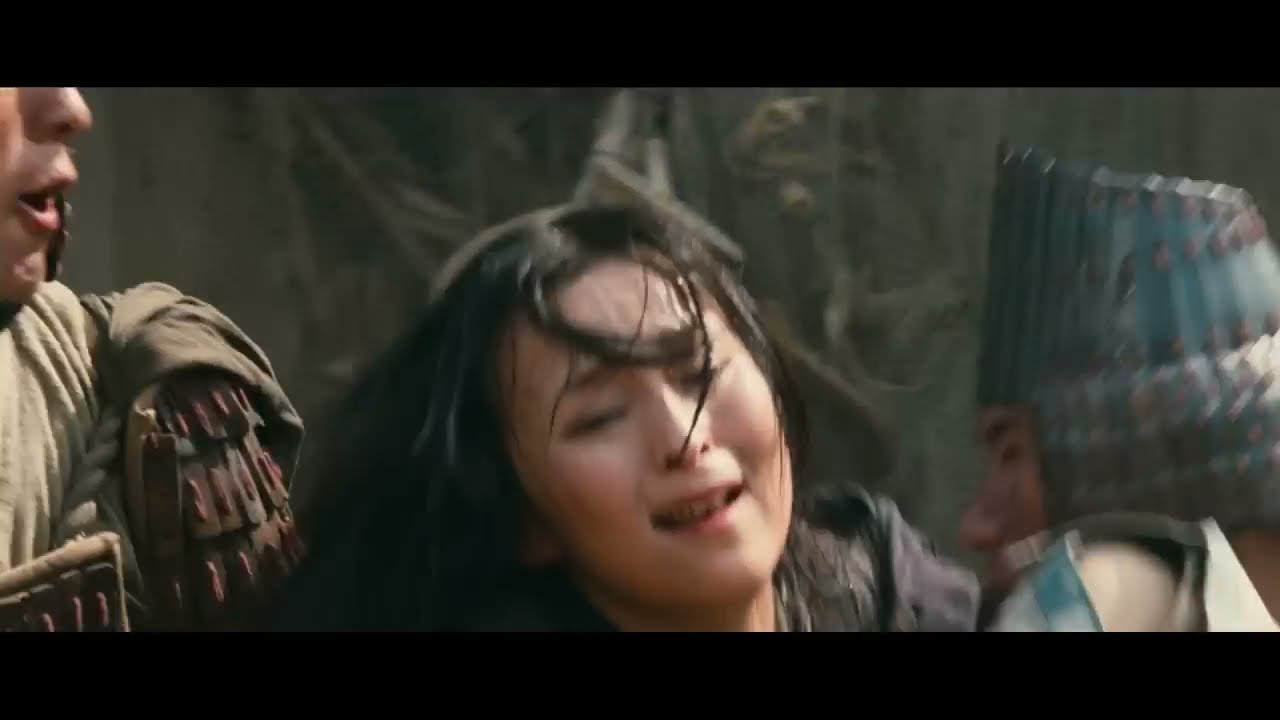
Red Cliff plunges us into the chaotic power struggles that defined a critical moment in ancient China’s history. The narrative centers around the battle of Red Cliffs, where the forces of the Southern warlords, led by the charismatic Zhou Yu, face off against the powerful forces of Cao Cao. What ensues is not just a fight for dominance, but a clash of ideals, loyalty, and strategic genius.
The Power of Strategy
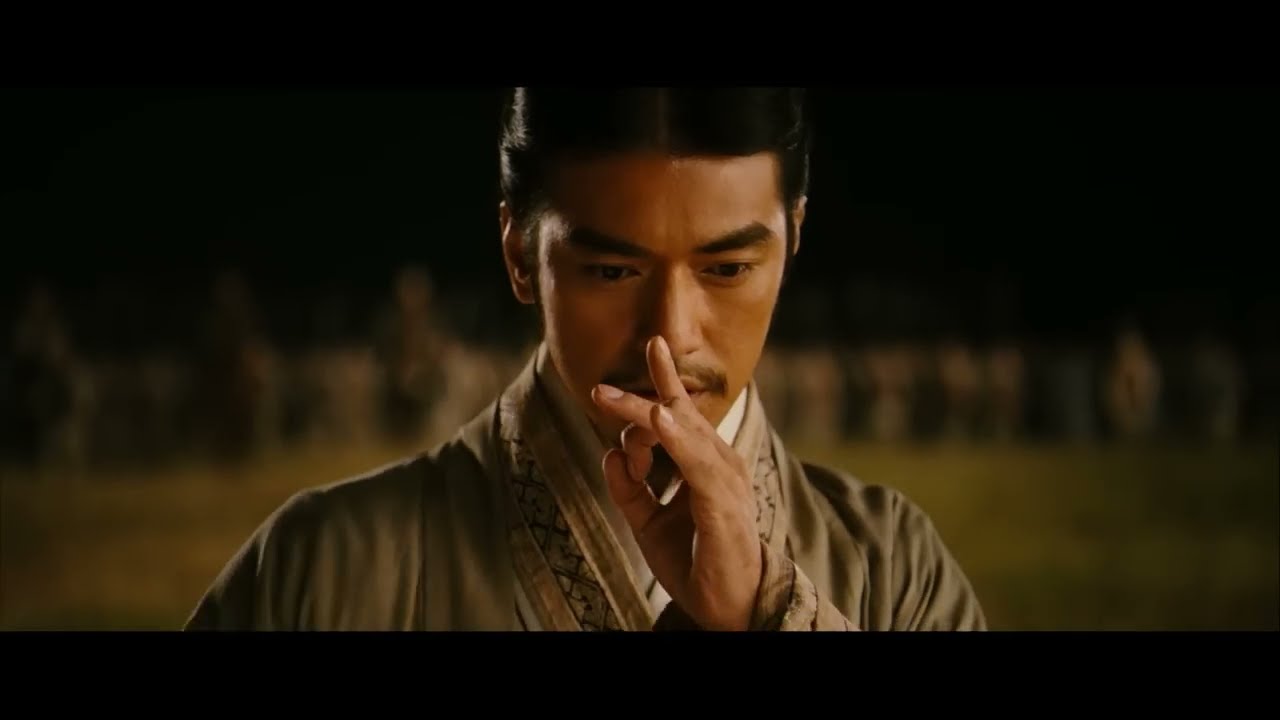
What makes Red Cliff stand out from typical war films is its focus on strategy. Each battle scene is not just a spectacle of fire and steel but an intricate dance of military tactics. The film pays homage to the brilliant strategies that changed the course of the battle, particularly those masterminded by Zhou Yu and his allies. This gives the movie a layer of intellectual depth that sets it apart from traditional action-driven narratives.

Character Dynamics
The film excels in its portrayal of the complex relationships between its characters. Keanu Reeves, in a commanding role, delivers a performance that highlights his strengths as an action star while injecting a sense of authority and gravitas into the proceedings. Meanwhile, Scarlett Johansson brings a nuanced touch to the film, playing a character whose inner conflicts are as riveting as the external ones. Together, their chemistry adds depth to the otherwise brutal backdrop of war.
The Themes of Honor, Loyalty, and Betrayal
At its core, Red Cliff is a story of ideals tested under pressure. The characters wrestle with questions of loyalty to their comrades, their country, and their personal values. In a world where betrayal is just a battle away, the tension between personal ambition and collective responsibility creates a haunting undercurrent throughout the film.
Visuals and Cinematography
True to John Woo’s signature style, Red Cliff is a visual masterpiece. The battle sequences are breathtaking, blending scale with elegance, capturing both the grandeur of ancient Chinese warfare and the intimate struggles of the characters. The cinematography adds a layer of emotional resonance, emphasizing the stark contrast between the beauty of the landscape and the brutality of war.
Conclusion
In the first part of Red Cliff, the film successfully establishes itself as a rare cinematic gem that combines historical drama, intellectual depth, and action-packed thrills. The film’s attention to character, strategic warfare, and the consequences of loyalty and betrayal will resonate long after the credits roll. Whether you’re a history enthusiast or a fan of grand-scale cinema, Red Cliff offers something profound and unforgettable.