




Introduction
‘After the Flood’ (2022) takes viewers into a post-apocalyptic world where extreme weather events have ravaged the planet. Directed with an eye for both emotional depth and visual grandeur, the film merges the gripping atmosphere of a crime thriller with the harrowing experiences of a survival drama. At the heart of it all is Anna, a dedicated police officer tasked with investigating a crime in a flooded neighborhood. As she navigates the remnants of a broken world, she must unravel a complex web of lies, betrayal, and survival.

A World in Ruins
One of the most striking elements of ‘After the Flood’ is its portrayal of a planet in chaos. The devastation left by catastrophic weather events sets the stage for an atmosphere thick with tension and uncertainty. This backdrop becomes more than just a setting; it is a character in itself, reflecting the frailty of human civilization and the primal instincts that emerge when the world as we know it collapses.

The Crime at the Heart of the Story
As Anna delves into the mystery at the core of the film, she discovers much more than just the truth behind the crime. Her investigation uncovers the dark underbelly of survivalism, where every relationship is tainted by betrayal and fear. The crime thriller elements of the film are not only engaging but serve as a mirror to the larger existential questions the film poses: what does it mean to survive when the world no longer functions as we know it?

Character Complexity and Performance
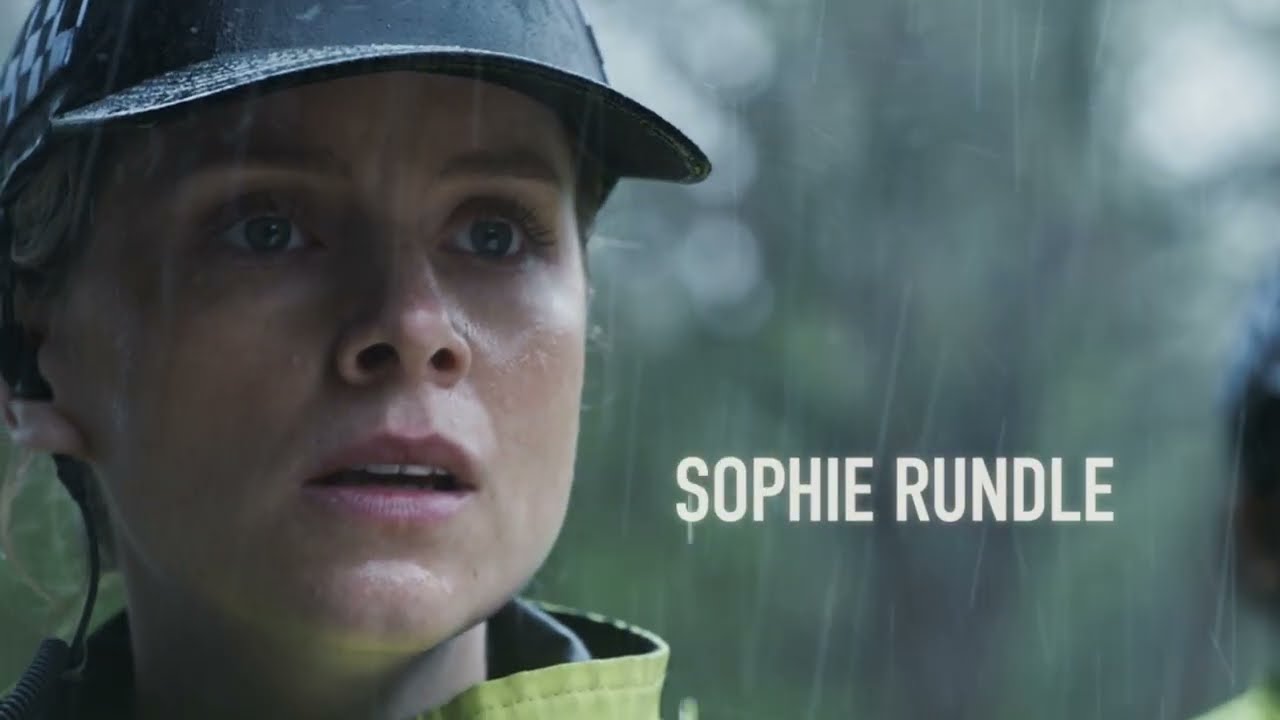
At the center of ‘After the Flood’ is Anna, a character whose personal struggles mirror the broader themes of the film. She is tasked not only with solving a crime but also with confronting her own past—a past that threatens to unravel her sense of duty. The film’s strength lies in its ability to explore the psychology of its characters, particularly Anna, whose layered performance is one of the film’s standout elements. She is a woman caught between her sense of justice and the emotional toll that the flood has had on her life, making her both relatable and deeply compelling.
The Visual Style
The film’s dark, atmospheric visuals further enhance the bleakness of the setting. The cinematography is nothing short of stunning, with sweeping shots of flooded neighborhoods and isolated survivors, all of which contribute to the oppressive mood that pervades the film. The colors are muted, reflecting the desolation, yet there are moments of beauty in the chaos—a reminder that even in the darkest of times, humanity clings to hope.
Conclusion
‘After the Flood’ is more than just a post-apocalyptic survival film or a typical crime thriller. It is a thought-provoking exploration of human nature when faced with extreme adversity. The film asks difficult questions about survival, morality, and the essence of truth in a world gone wrong. The blend of tense crime investigation, gripping emotional depth, and the sheer scale of its apocalyptic world makes ‘After the Flood’ a memorable cinematic experience. For those looking for a film that offers more than just thrills, this is a journey worth taking.